 Free
Free
Ankita Gill


Bio
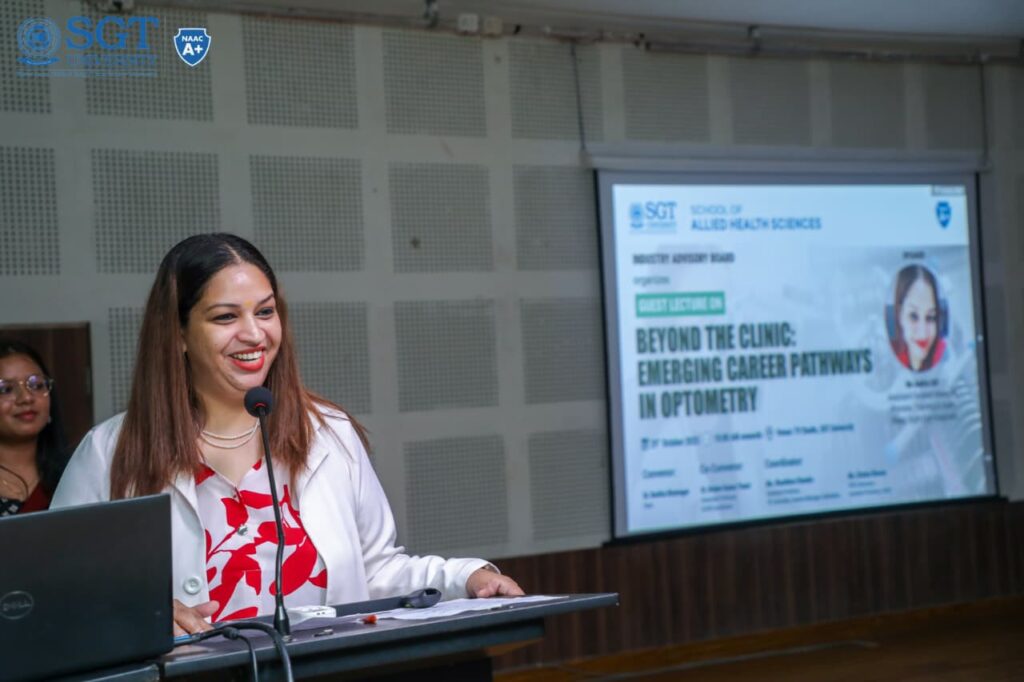
I am a passionate Soft Skills & Communication Coach with 12+ years of experience in healthcare, corporate training, and behavioral transformation. My work focuses on helping individuals and teams communicate with empathy, confidence, and clarity—whether in patient care, leadership, or customer/Patient interactions.
Over the years, I’ve designed and delivered impactful training programs in:
✔ Healthcare Communication Coaching – patient-centric interactions, empathy-driven communication, image management.
✔ Leadership & Behavioural Coaching – emotional intelligence, conflict resolution, team collaboration.
✔ Personal Growth Coaching – public speaking, presentation mastery, and self-leadership.
I believe communication is not just about speaking—it’s about creating impact. My vision is simple yet powerful: to change the way people think and speak, so they can connect better, perform better, and live better.
I had been working with different organization and individuals to design interactive, scenario-based learning interventions that build capability, enhance workplace culture, and elevate customer/patient experience.
🔹 Let’s connect to share and gain Knowledge if you’re an L&D leader or a communication coach who drives measurable impact.
Experience Details
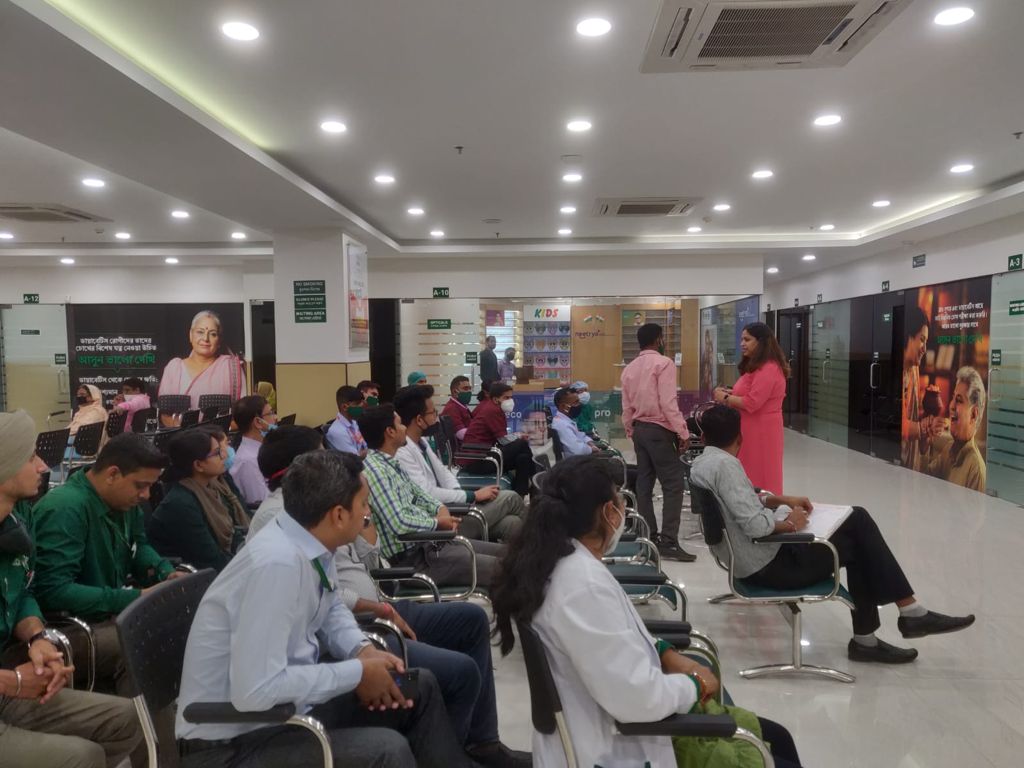
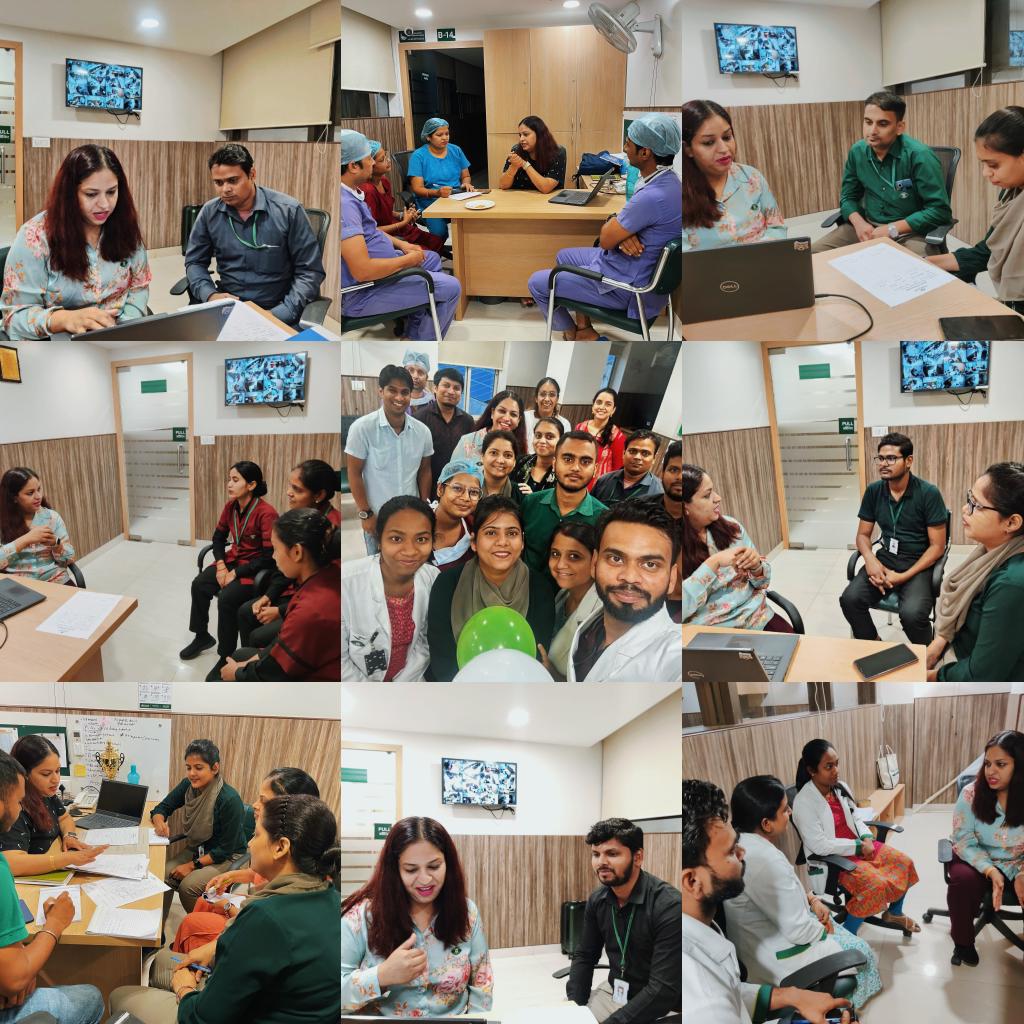
The target audience are 30 employees of Sharp Sight . They are Clinical and non clinical team also includes operations team . Doctors are also present . They are with a career experience of 01 to 10 years in SSC.
There has been a communication gap between the clinical and non-clinical teams, often resulting in misunderstandings. This is why teamwork has been chosen as a focus area. Secondly, patient feedback has been declining over the past several months, with recurring concerns about behaviour and communication style. Therefore, nonverbal skills, particularly body language, have also been identified as a key area for improvement.
• DEFINE the key principles of effective healthcare communication and teamwork.
• IDENTIFY common barriers to communication between clinical and non-clinical teams and ways to overcome them.
• RECOGNIZE the various elements of body language and nonverbal communication, including posture, gestures, facial expressions, tone, and spatial awareness.
• DISTINGUISH between positive and negative nonverbal cues in patient and colleague interactions.
• RELATE communication styles to patient comfort, trust-building, and improved service experience.
• DEMONSTRATE effective teamwork practices that enhance coordination and patient satisfaction.
• APPLY nonverbal skills to convey empathy, clarity, and professionalism in healthcare settings.
1. Information (Knowledge)
• List / Identify the key elements of body language and nonverbal communication, including posture, gestures, facial expressions, tone, and spatial awareness.
• Recall / Recognize the role of teamwork between clinical and non-clinical staff in reducing errors and improving outcomes.
• Define / State the importance of effective communication in healthcare for patient satisfaction and safety.
________________________________________
2. Comprehension
• Explain why effective communication is essential for patient safety and satisfaction.
• Discuss how collaboration between healthcare roles supports better outcomes.
• Summarize the influence of body language on patient perceptions and colleague relationships.
________________________________________
3. Application
• Demonstrate the use of positive body language to convey empathy, confidence, and professionalism.
• Apply active listening techniques to improve interactions with patients and colleagues.
• Use verbal and nonverbal cues to respond appropriately in challenging situations, such as with anxious or dissatisfied patients.
• Collaborate with cross-functional teams to ensure smooth patient care journeys.
________________________________________
4. Analysis
• Differentiate between effective and ineffective communication approaches in healthcare settings.
• Analyze gaps in cross-functional teamwork that may affect patient outcomes.
• Examine personal communication behaviours to determine their impact on patients and colleagues.
Review
Login to Write Your ReviewThere are no reviews yet.