Essential 3 Steps to Bring Modernization to Your Food and Beverage Service Training Strategy
Enhance Knowledge Management through Digital Training
The digital age has transformed how we educate and train. Opting for online training instead of traditional methods can modernize staff training by shifting managers’ focus from training to knowledge management. It empowers managers to dedicate more time to their core responsibilities, driving the company’s broader goals.
Remote training courses are typically well-organized, specific, and easily accessible for restaurant staff. To reinforce food safety and service quality, include micro-courses on hot-holding temperatures, cabinet preheating, and loading procedures. Pair modules with spec sheets and setup checklists for commercial food warming equipment from Restaurant Supply, so staff learn to choose, preheat, load, and maintain warmers that keep meals fresh between prep and service.
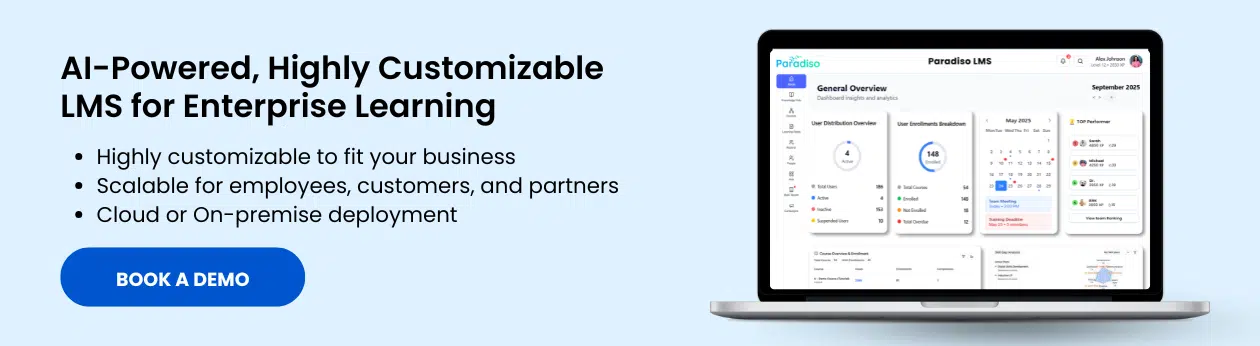
The primary benefits of remote training include time and cost savings without disrupting work schedules. Paradiso LMS food safety offers hassle-free remote training, featuring a unique mobile-first approach, ensuring that even deskless employees have convenient access to critical job-related information.
Standardizing Training for Consistency Across Restaurant Chains
Achieving consistent, traceable, and goal-oriented training is crucial in the restaurant industry. Inadequate or inconsistent training can lead to inefficiencies and subpar results. Equally important is the role of expert trainers. Having readily available trainers who maintain ongoing interactions with restaurant staff fosters empowerment, engagement, and a genuine interest in acquiring up-to-date knowledge.
Often, these experts exist within the organization, such as experienced managers and long-serving employees with valuable insights into routine processes. A study conducted by management highlights the impact of quality, customized training on sales control for classified restaurants, underlining the value of qualified trainers in enhancing employee performance.
Harness the Power of Microlearning for Efficient Training
Microlearning offers a more practical solution, focusing on teaching single concepts using multisensory and multimodal approaches in a brief timeframe. This method includes short video sessions with engaging visuals and practical demonstrations to deliver food and beverage service training effectively.
Since the food and beverage industry often employs younger workers, adopting a mobile-first, video-based solution aligns with their evolving educational needs. Microlearning also stands out for its adaptability, allowing the use of various food and beverage online training tools and platforms like Slack, Trello, Microsoft Teams, or SMS/WhatsApp, facilitating interactive and flexible training with open channels for staff feedback and inquiries.
Paradiso LMS for the food industry offers a fantastic micro-learning platform to train your employees, allowing you to monitor their progress and completion status. The dashboard analytics feature keeps you informed about your staff’s training success.
Conclusion: Driving Growth Through Modern Training
The food and beverage industry demands speed, consistency, and adaptability. Traditional training methods are no longer enough to meet evolving customer expectations and operational challenges.
By adopting digital knowledge management, standardized training, and microlearning, organizations can improve service quality, ensure compliance, and enhance employee performance across locations.
Modern training isn’t just an upgrade, it’s a strategic investment in long-term growth and service excellence.
FAQs About Modernizing Food & Beverage Service Training