THANK YOU
FOR YOUR INFORMATION
One of our expert will be in touch with you…

Browse our blog to learn more about strategic learning systems and how they can drive business outcomes.

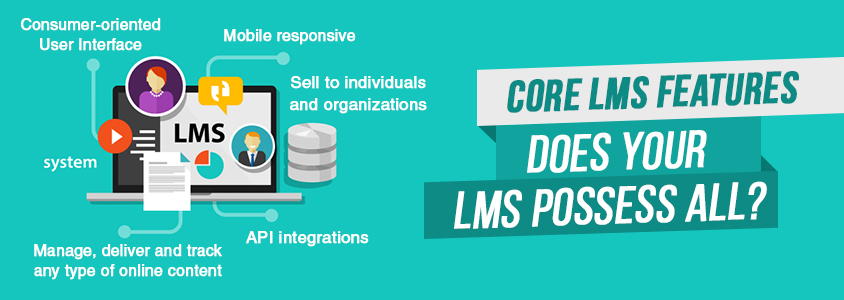
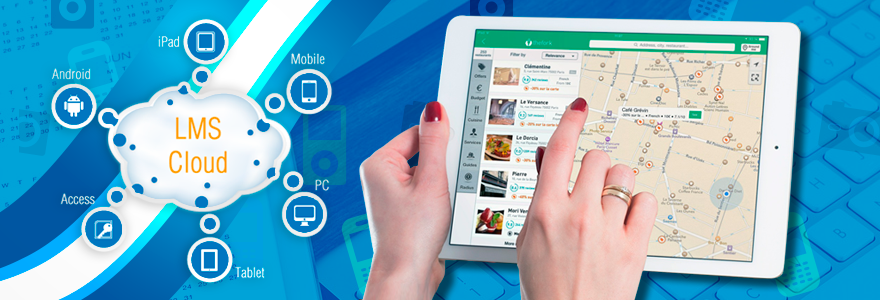
In the rapidly evolving landscape of education and professional development, Learning Management Systems (LMS) have emerged as indispensable tools for institutions and organizations seeking to streamline and enhance their learning processes.