WhatsApp Chat

   Try our eLearning Authoring Tool     Get Started Free

10 Best LMS for Language Training and Learning

Best LMS for Language Training and Learning

Learning management systems (LMS) designed especially for language training have emerged from the increased demand for efficient and adaptable language learning solutions in the digital era. Combining state-of-the-art technology with sound educational approaches, these platforms offer a comprehensive and unique approach to language education. A tailored learning path, engaging tasks, real-time feedback, and a range of multimedia resources are all integrated into an LMS for language training to create a dynamic and immersive learning environment.

Why an LMS for Language Training and Learning?

An LMS for language training and learning is essential because it provides an interactive, adaptable, and structured platform that improves language learning. It provides customized educational paths, giving students the freedom to advance at their own pace and fast access to an abundance of resources. Also, by providing forums and online classrooms for collaborative learning, LMS platforms promote a network of practice. As a result, language learning becomes more effective, efficient, and accessible, eventually improving results and raising proficiency levels.

Benefits of an LMS for Language Training and Learning

An LMS has proven to be not only a tool for education but a catalyst for success in the journey for language training and learning.

  • Flexibility and convenience: Learn anytime, anywhere with remote access.
  • Interactive and engaging content: Interactive exercises, music, and video are examples of multimedia resources that improve engagement. Quizzes and games add an engaging and stimulating element to learning.
  • Personalized learning paths: A personalized learning journey with tailored feedback and assessments.
  • Collaborative learning environment: Real-time connection with instructors and fellow students is facilitated by discussion forums, group activities, and virtual classrooms, which in turn promote collaboration and peer support.
  • Resource-rich platform: Access to a wide range of educational resources, such as grammar manuals, dictionaries, and cultural notes.
  • Cost-Effective Solution: minimizes the need for physical supplies and in-person instruction, hence cutting expenses. Also, scalability allows large number of learners to learn at the same time at ease.

What are the Key Features in an LMS for Language Training and Learning?

1. Online Course Creation Tools:

Learning a language necessitates managing online courses along with multilingual support and translations. Teachers can create extensive and engaging courses with these.

2. Interactive Learning:

Learner involvement is essential for language learning to succeed. Furthermore, a few components add excitement and dynamic to the learning process. These consist of activities, simulations, and games.

3. Speech Recognition and Pronunciation Tools:

Advanced speech recognition software and precise pronunciation are essential. These offer remedial advice in addition to assisting students in developing their speaking abilities.

4. Real-Time Communication Channels:

Effective communication is essential in teaching and learning languages such as Italian, English or Chinese. Instant communication is made easier by features like video conferencing tools, webinars, discussion boards, and chat rooms either peer-to-peer or between learner and trainer.

10 Best LMS for Language Training and Learning

LMS Platform Best For Language-Specific Strength Mobile Support Gamification Ideal Use Case
Paradiso LMS Enterprise & institutional language training Multi-language support, speech tools, blended learning Yes Yes Corporate & global language programs
Moodle Educational institutions Language plugins, customizable courses Yes Limited (via plugins) Structured academic programs
Canvas Schools & universities Multimedia lessons, collaboration tools Yes Limited Interactive classroom-based language learning
Blackboard Learn Higher education Structured modules, audio/video assessments Yes Limited Formal academic language training
Google Classroom Basic course management Google tool integration, simple assignments Yes No Beginner & school-level language learning
Schoology Collaborative classrooms Discussion boards & peer interaction Yes Limited Interactive student language practice
Docebo Corporate global teams AI-powered learning paths, multilingual support Yes Yes Enterprise language training
Duolingo for Schools Gamified language learning Built-in language curriculum & progress tracking Yes Yes K-12 & classroom language programs
TalentLMS SMBs & training institutes Multilingual interface & interactive quizzes Yes Yes Corporate & training centers
LearnUpon Employee & partner training Multi-portal training & certification Yes Moderate Structured corporate language programs

1. Paradiso LMS:

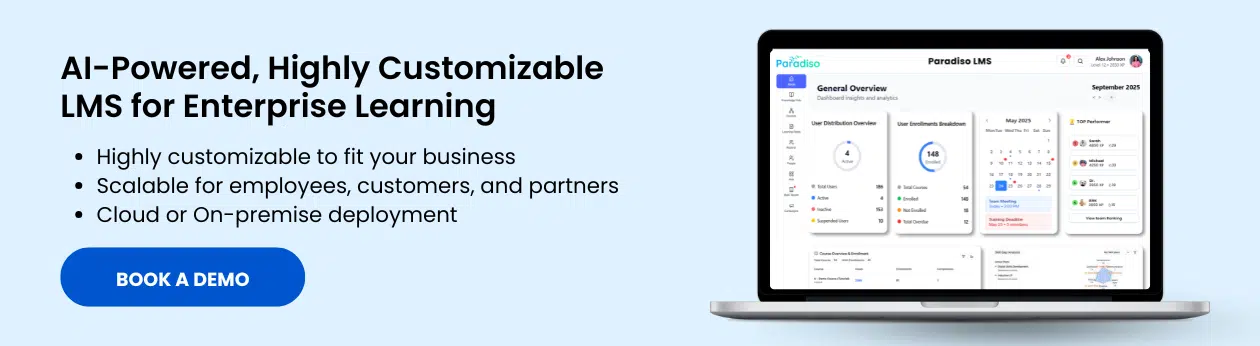
Distinctive language learning environments are one of the many areas of expertise of Paradiso LMS which include features like gamification, smartphone compatibility, and social learning aspects. A thorough and immersive language learning environment can be facilitated by teachers using powerful course management tools to build dynamic sessions that include multimedia, quizzes, and real-time feedback.

  • Multi-Language Support: Paradiso LMS is ideal for a wide range of linguistic needs and is available to learners globally thanks to its multi-language support.
  • Interactive Content: To keep language learners interested, the platform enables the integration of several forms of interactive content, including games, simulations, and movies.
  • Gamification: The gamification aspects of Paradiso LMS can enhance language learning by including elements such as leaderboards, badges, and points to motivate students.
  • Mobile Learning: Language learners can access their courses while on the go with the help of Paradiso LMS’s mobile apps and flexible design, which is crucial for practice and continuous learning.
  • Blended learning: is a successful way for language acquisition since it supports both synchronous (live classes) and asynchronous (self-paced) learning approaches.
  • Social Learning: Language development greatly benefits from the opportunity for learners to practice language skills in a social setting, which is made possible by features like discussion boards, chat, and collaborative tools.

2. Moodle:

A widely used open-source LMS that supports a variety of plugins and tools for language teaching, including interactive content and assessments.Moodle allows instructors to customize courses extensively and integrate language-specific plugins such as vocabulary builders, pronunciation tools, and discussion forums. Its flexibility and strong community support make it a popular choice for educational institutions delivering structured language programs.

3. Canvas:

Known for its user-friendly interface and powerful tools, Canvas offers features like video integration, collaboration, and mobile access, making it suitable for language courses. Canvas supports multimedia learning content, quizzes, and real-time discussions that enhance language practice. Its clean dashboard and mobile compatibility allow learners to access lessons, assignments, and feedback conveniently from anywhere.

4. Blackboard Learn:

A comprehensive LMS with robust features for course management, assessments, and collaboration, supporting language teaching through various multimedia tools. Blackboard enables instructors to create structured modules that include videos, audio recordings, and interactive assessments. Its analytics and reporting features help track language proficiency progress and learner engagement effectively.

5. Google Classroom:

An accessible and straightforward platform that integrates seamlessly with other Google tools, ideal for managing language learning activities and resources. Educators can share assignments, conduct quizzes through Google Forms, and use Google Meet for live language sessions. Its simplicity makes it suitable for basic language course management and classroom coordination.

6. Schoology:

Combines LMS functionality with social networking features, providing a collaborative environment for language learners and teachers. Schoology supports discussion boards, multimedia content, and assessments that encourage interactive language practice. Its communication tools help foster peer collaboration and instructor feedback within structured language programs.

7. Docebo

Docebo is an AI-powered learning management system that supports scalable and personalized language training programs. It enables instructors to create structured language courses with multimedia content, quizzes, and interactive activities while offering multilingual support and mobile accessibility. With advanced analytics, automated learning paths, and gamification features, Docebo helps organizations deliver engaging language training and track learner progress effectively across global teams.

8. Duolingo for Schools:

Extends the popular Duolingo app for classroom use, offering gamified language learning and progress tracking for teachers.

9. TalentLMS:

TalentLMS is a user-friendly and flexible LMS ideal for language training institutions and corporate learning programs. It allows instructors to build interactive language courses using videos, quizzes, and gamified elements like badges and leaderboards. With multilingual interface support, mobile compatibility, and detailed analytics, TalentLMS enables organizations to deliver accessible language training while monitoring learner performance efficiently.

10. LearnUpon:

LearnUpon is a scalable LMS designed for employee, customer, and partner training, making it suitable for structured language learning initiatives. It supports multimedia content, assessments, certifications, and multi-portal management for training learners across different regions. With real-time reporting, mobile learning capabilities, and integration options, LearnUpon helps organizations manage and measure language training programs effectively.

Conclusion:

The future of language training is increasingly digital, interactive, and learner focused. With the right LMS, organizations and institutions can deliver structured courses, track progress accurately, and create immersive learning experiences through multimedia, gamification, and real time collaboration.

Whether you are training employees, students, or global teams, choosing a platform that supports multilingual content, mobile access, analytics, and personalized learning paths is essential for improving language proficiency and engagement. If you are looking for a scalable and feature rich solution, Paradiso LMS can help you design and manage effective language training programs tailored to your needs.

FAQs About LMS for Language Training and Learning

1. What is an LMS for language training?

An LMS for language training is a digital platform designed to deliver, manage, and track language learning programs with features like interactive exercises, multimedia content, assessments, and progress tracking.

2. How does an LMS improve language learning outcomes?

An LMS enhances outcomes through personalized learning paths, real-time feedback, pronunciation tools, gamification, and continuous progress monitoring.

3. Can an LMS support multiple languages?

An LMS for language training is a digital platform designed to deliver, manage, and track language learning programs with features like interactive exercises, multimedia content, assessments, and progress tracking.

4. Is an LMS suitable for corporate language training?

Absolutely. Organizations use LMS platforms to train employees in business communication, cross-cultural skills, and multilingual proficiency while tracking certifications and performance.

5. What features are essential in a language learning LMS?

Key features include speech recognition tools, multimedia integration, real-time communication tools, mobile learning support, gamification, and detailed reporting.

Follow us!

Do NOT follow this link or you will be banned from the site!